





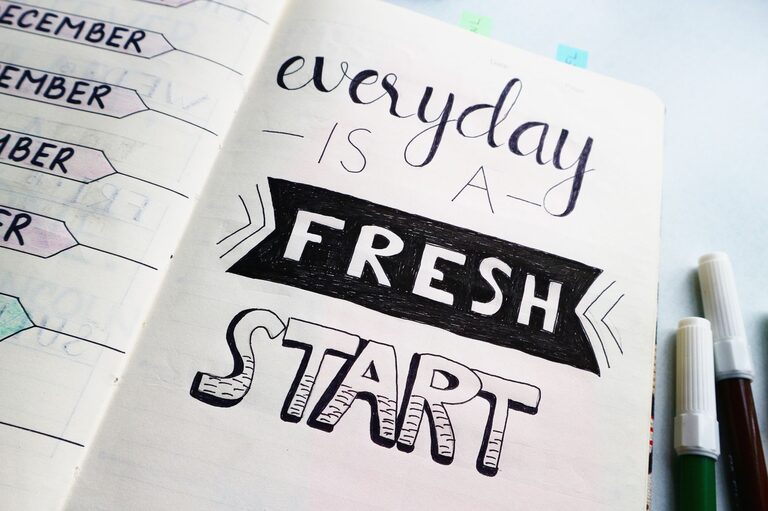
Creativity isn’t just for artists or writers—it’s a skill anyone can develop and use to enhance everyday life. Whether you want to solve problems more effectively, express yourself, or simply enjoy more fulfilling activities, practicing creativity daily can make a big difference. The good news is that you don’t need special tools or a lot of time. Here are some simple, practical ways to nurture your creative side every day.
Why Practice Creativity Daily?
Like any skill, creativity improves with regular practice. When you make creativity a daily habit, you start to think differently. You become more open to new experiences, more confident in your ideas, and better at connecting concepts in unique ways. This not only benefits personal projects but can also improve your performance at work, school, and in social settings.
1. Set Aside Time for Creative Activities
Make creativity part of your routine. It can be as little as 10 to 15 minutes a day. The key is consistency.
– Draw or doodle: You don’t have to be an artist. Just sketch whatever comes to mind.
– Write freely: Try journaling your thoughts or writing short stories.
– Play with music: Experiment with an instrument or create simple beats using apps.
The goal isn’t perfection but the joy of creating.
2. Use Prompts to Spark Ideas
Sometimes starting is the hardest part. Creative prompts can guide you when you’re stuck.
– Word prompts: Pick a random word and write or draw based on it.
– Photo prompts: Use interesting photos to inspire stories or poems.
– Challenge prompts: Try challenges like “draw something you see outside” or “write a six-word story.”
Many websites and apps offer daily prompts to keep your imagination flowing.
3. Embrace Curiosity and Explore New Interests
Creativity thrives when you expose yourself to new ideas and experiences.
– Read different genres: Books, blogs, or magazines outside your usual interests.
– Try new hobbies: Cooking a new recipe, learning a craft, or starting a garden.
– Attend events or workshops: Community classes, online tutorials, or local art shows.
Exploring keeps your mind active and helps you make unexpected connections.
4. Keep a Creative Journal or Sketchbook
A dedicated space for your creative thoughts and experiments is invaluable.
– Record ideas: No matter how small or unfinished they seem.
– Track progress: See how your ideas evolve over time.
– Reflect: Note what inspires you or what challenges you faced.
Having a journal encourages regular reflection and experimentation.
5. Limit Screen Time to Boost Imagination
While technology is a useful tool, too much passive consumption can stifle creativity.
– Schedule screen-free times: Use this time for creative play or brainstorming.
– Engage in hands-on activities: Like crafting, cooking, or physical movement.
– Practice mindfulness: Meditation or nature walks to clear your mind and invite creative insights.
Reducing distractions helps your mind wander and discover fresh ideas.
6. Collaborate and Share Ideas
Creativity can be contagious. Sharing your work and ideas with others opens you to feedback and inspiration.
– Join groups or clubs: Art classes, writing groups, or online forums.
– Exchange ideas: Brainstorm with friends or colleagues.
– Showcase your creations: Use social media or community events for encouragement.
Collaborating often leads to new perspectives and creative breakthroughs.
7. Accept Mistakes and Keep Experimenting
One of the biggest blocks to creativity is fear of failure.
– View mistakes as learning: Every “wrong” attempt teaches something new.
– Try different approaches: Don’t be afraid to redo or change your work.
– Celebrate effort: Creativity is about the process, not just the final product.
A playful, open mindset makes creativity more enjoyable and sustainable.
8. Practice Mindful Observation
Creativity often starts with noticing the world around you.
– Slow down: Take time to observe details in your environment.
– Write down observations: Colors, shapes, sounds, or smells that catch your attention.
– Ask questions: Why is something the way it is? How could it be different?
Heightened awareness can spark ideas you might otherwise miss.
Conclusion
Cultivating creativity doesn’t require grand gestures or artistic talent. By incorporating these simple habits into your daily routine, you’ll gradually unlock new ways of thinking and expressing yourself. Remember, the most important thing is to enjoy the process and be gentle with yourself as you explore your creative potential. Start small, stay curious, and watch your creativity bloom every day.




More Stories